
Freedom Programs
Our programs that are community based and run by the people on the principle of mutual aid and solidarity.
Get Involved in program activities by;
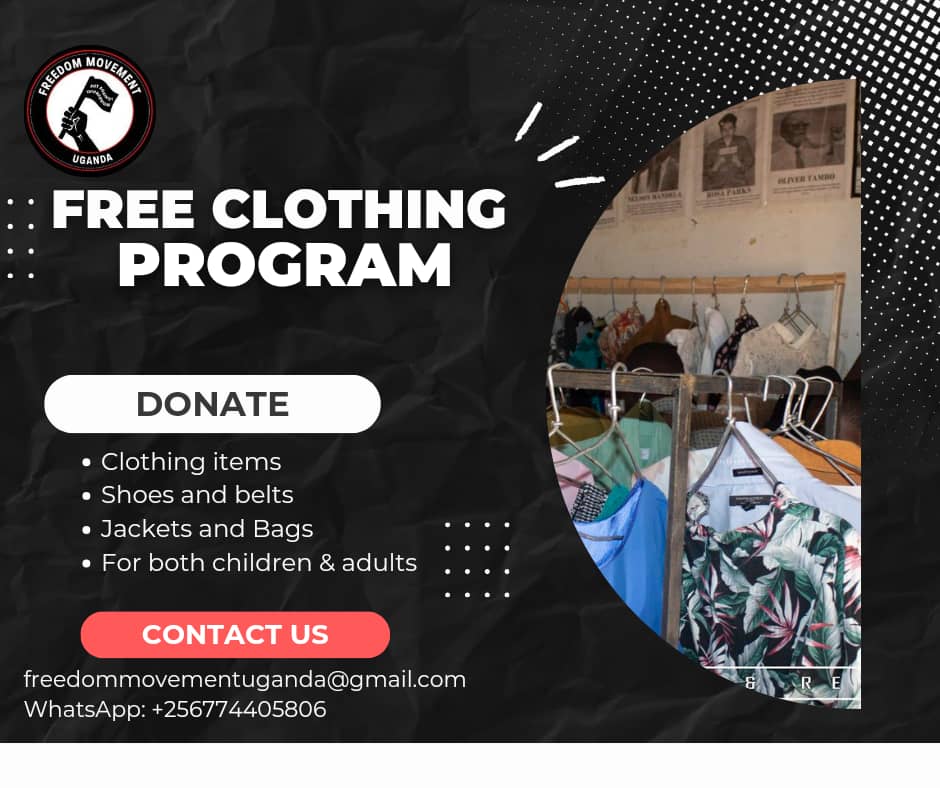
Free Clothing Program
In economic terms, 41% of people live in poverty and almost half of Uganda’s population is under the age of 15. Most of the Ugandans live on less than $1.90 a day with nearly three quarters living below the international threshold of $3.20 a day.
Because of poverty, many Ugandans especially the low income households are unable to afford the basic necessities of life. Clothing being one of the basic necessities, clothes are becoming an expensive commodity now days.
Therefore, it is not financially possible for low-income families to buy new clothes frequently yet clothes are commodities that experience tear and wear anytime. The unaffordability not only deprives the right to clothing but also the dignity of the low income and marginalized households.
The Freedom Movement Uganda initiated this program to organize the low income households and individuals to collectively work together towards advancing their right to clothing and seek redress for the challenges that have hindered their access to basic necessities like clothing.
The program activities will be available to all low income households and eligibility is determined on the basis of need. Individuals living in grave conditions shall be given preference with respect to the principle of first come, first serve.
Community Food Program
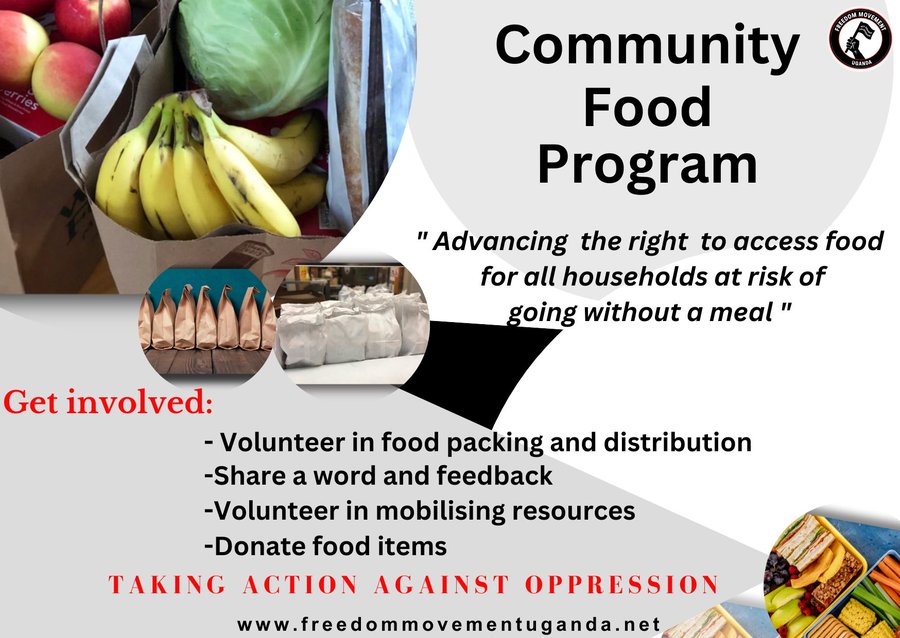
In the face of the socio-economic inequality and systemic oppression, many Ugandans aren’t only unable to afford the three meals in a day but also several go without a meal in a day. In 2024, research revealed at least three in every 10 households, skipping a meal or no meal at all for the entire day. Furthermore statistics reveal not less than 10 million Ugandans skipping meals for the entire, and these numbers continue to grow which deprive the marginalized households of their right to access food.
In the face of this social inequality, freedom movement Uganda, initiated a community food program for low-income households that are at risk of going without a meal. This program provides fresh and health food to marginalized individuals and households while empowering them to claim their right to food autonomy.
To reintroduce humanity and generosity serves as the beginning of building the community WE WANT, prioritizing social justice, equality and self-sufficiency.
Free Education Program
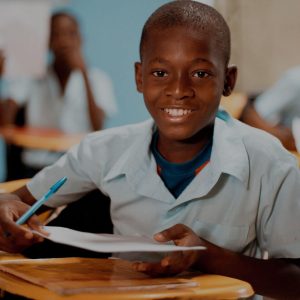
Access to education in Uganda remains inequitable with the marginalized individuals and households facing the wrath of this inequality. Today, research reveals 6 out of 10 people leaving school as a result of associated costs including but not limited to fees, scholastic materials, learning materials.
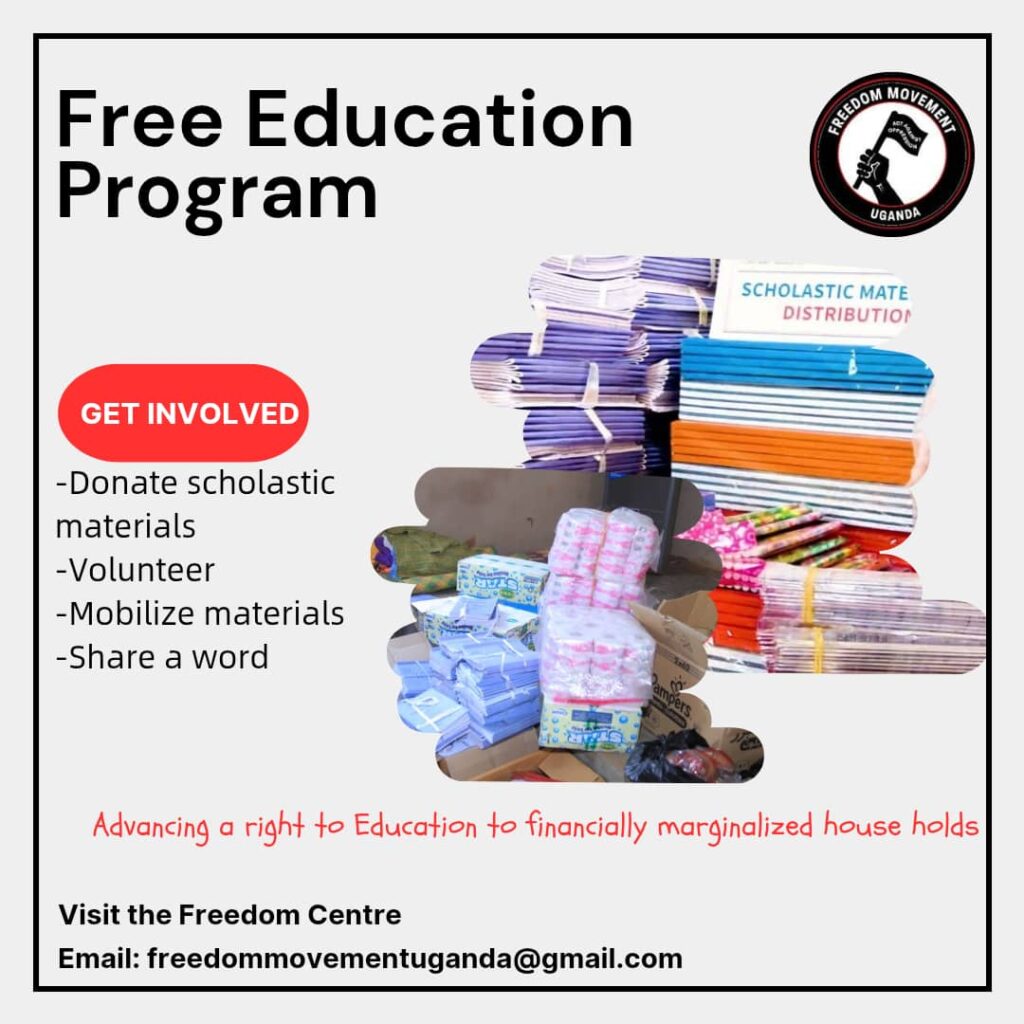
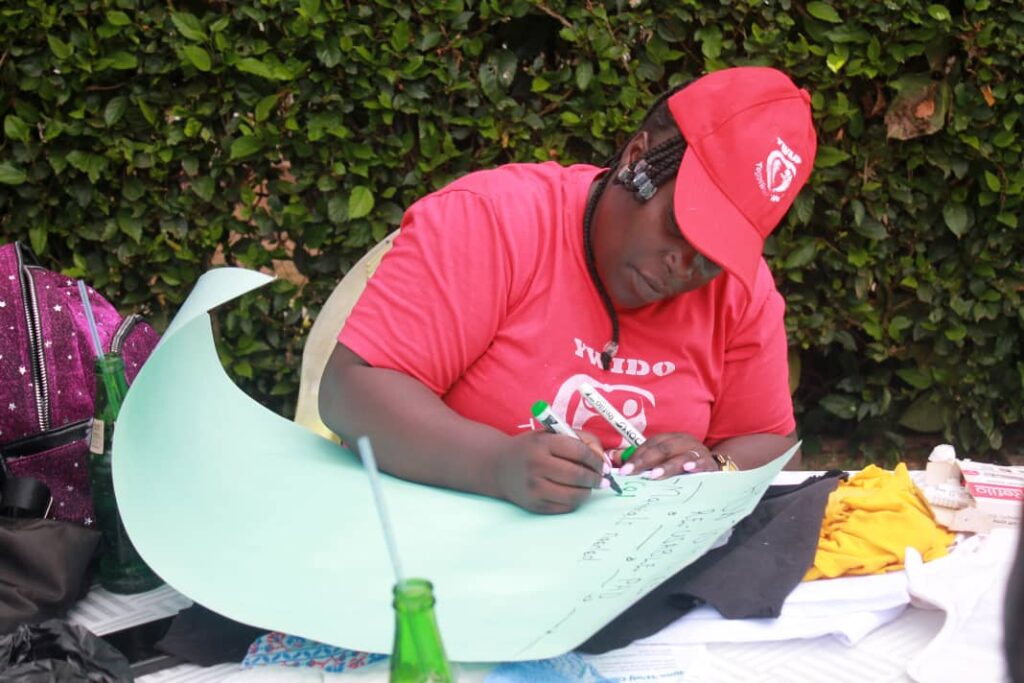
To advance the right to education, our program extends solidarity in form of scholastic materials to children from marginalized households. Through this training, community members share resources where they are able to make some of these materials by themselves.
In addition, through this program, the movement runs a community library which provides reading materials and space to school going children and the wider community.

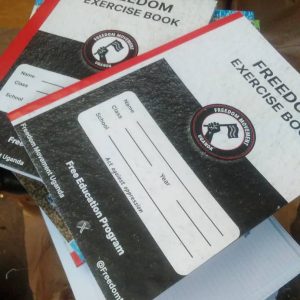
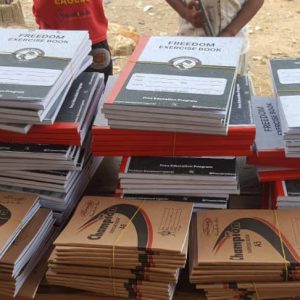
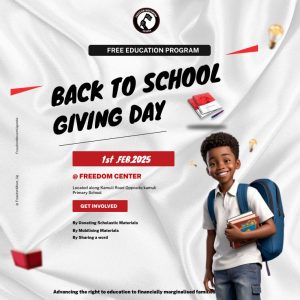
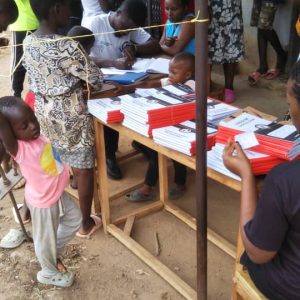
Get involved in the program activities.
Menstrual Health Program
The Free Menstrual Health Program mainly focuses on menstrual health education, training of girls, community women, and men on making reusable sanitary wear, and distribution of free reusable sanitary wear.
The reasons that inspired us are centered on the fact that so many girls and community women from low income households can’t articulate comprehensive practices of menstrual hygiene. And the resulting lack of information has led to unhygienic and unhealthy menstrual practices which have increased the risk of sexual and reproductive infections.
Secondly, many girls and women from low income households have limited access to affordable sanitary materials to manage their menstruation. This is attributed to the limited incomes to purchase disposable pads and poverty in general, limited interventions in secondary schools and community level, limited social support networks, and lack of training in making reusable sanitary wear.
The negative repercussions have since included; teenage pregnancies, school absenteeism, and consequential dropout from school.
It was established that menstruation and its associated challenges contribute to more than half of Ugandan girls who enroll in grade one and drop out before their primary leaving examinations. Furthermore, Research by SNV/IRC revealed that on average, there are 220 learning days in a year and girl pupils miss 24 days in a year.
Therefore, to advance a right to menstrual health, fix the associated challenges, and defend the women’s dignity, our program recognizes menstrual health as a public health concern that requires community involvement in addressing socioeconomic inequalities and promoting social justice.